CO2 fertilization is a strategic method used to optimize plant growth and yield. By increasing carbon dioxide levels, this method speeds up the photosynthesis process and makes plants grow healthier. Among modern greenhouse techniques, the use of equipment such as CO2 fan, CO2 detector, buffer tank, nitrogen generator and condenser (economizer) is of great importance.
The Role of CO2 in Photosynthesis
Photosynthesis is vital for plant growth and during this process CO2 is used by plants to produce oxygen and sugar. Keeping the CO2 concentration at an optimal level in the greenhouse environment allows plants to grow faster and healthier. Research has shown that the natural level of CO2 in the atmosphere is 0.03%, but increasing it to between 0.1 and 0.15% in greenhouses can significantly increase photosynthetic activity.
Advantages of CO2 Dosing in Greenhouses
- Increased Plant Growth: CO2 dosing accelerates the photosynthesis process in plant cells, which leads to faster growth and development.
- High Yields: CO2 can provide significant increases, especially in vegetable and fruit yields. For example, CO2 fertilization in tomato greenhouses can increase the number of fruits per plant and total yield.
- Increased Stress Tolerance: High CO2 levels help plants become more resilient to stressors such as heat and drought.
Application Methods and Considerations
CO2 dosing can be done through systems specially designed for greenhouses. These systems deliver CO2 to plants, usually from liquid CO2 tanks or through the breakdown of organic materials. The CO2 level needs to be regularly measured and kept under control because excess CO2 can damage plants and inhibit photosynthesis.
The most important point to be considered in CO2 dosing is to adjust the CO2 level according to the needs of the plants at different times of the day. Especially on sunny days, increasing the CO2 level provides more “raw material” for photosynthesis and thus maximizes plant growth.
CO2 Fertilization and the Role of Equipment
CO2 Fans and Detectors
CO2 fans are used to optimize the distribution of carbon dioxide in the greenhouse, ensuring that an equal amount of CO2 reaches each plant. CO2 detectors continuously monitor the carbon dioxide level in the greenhouse and trigger fans if levels fall below ideal levels. In this way, the CO2 concentration in the greenhouse is always kept at an optimal level.
Buffer Tank and Nitrogen Generators
The buffer tank ensures that the gases in the greenhouse are stored in a balanced way and can be used when needed. Nitrogen generators extract nitrogen from the air and make it available to plants. These two systems play a critical role in balancing the atmosphere in the greenhouse, creating the environment necessary for healthy plant growth.
Condenser (Economizer)
Condensers reuse waste heat, optimizing energy use in the greenhouse. These devices increase energy efficiency, while reducing the operating costs of CO2 fertilization systems and reducing their impact on the environment.
Effects of CO2 Fertilization on Plant Yield
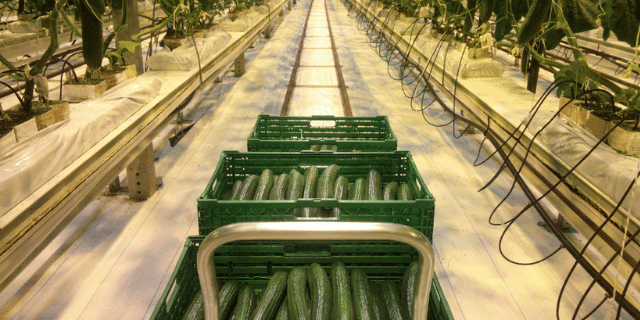
CO2 fertilization directly affects plant growth in greenhouses. With sufficient CO2, plants grow faster and produce higher yields. This method promotes plant growth, especially by increasing the amount of carbon dioxide, which is critical for photosynthesis. Studies show that maintaining optimal CO2 levels can increase yields by 20-30% in many greenhouse-grown vegetable species such as tomatoes, peppers and cucumbers.
Conclusion
CO2 fertilization in greenhouses is an essential part of modern greenhouse cultivation. Supported by technological equipment such as CO2 fan, CO2 detector, buffer tank, nitrogen generator and condenser, this method ensures healthy and efficient growth of plants. With its contribution to energy efficiency and sustainable greenhouse practices, CO2 fertilization is becoming more and more important. By investing in innovation in the phytosanitary and horticultural sector, it is possible to realize both economic and environmental benefits.