M. Salih Atilla- Greenhouse Air Conditioning Systems Specialist
In modern greenhouse farming practices, the sensitive and balanced management of climatic factors is critical for product quality and productivity. Humidity is one of these factors. Homogeneous moisture distribution in greenhouses is a direct determinant not only for plant health but also for disease management, photosynthesis efficiency and energy consumption efficiency.
In recent years, the use of high-pressure humidification systems has ushered in a new era in microclimate control. This paper presents a comprehensive review of the scientific basis of greenhouse humidity control, the advantages of high-pressure fogging technology and its integration with automation systems.
Moisture Balance in Greenhouses: Basic Principles
Physiological processes in plants, such as transpiration and photosynthesis, are directly related to ambient humidity. %60-%Plants that develop healthily in the 90% relative humidity range become stressed outside these limits:
- Low humidity → closure of stomata, slowing of photosynthesis
- High humidity → increase in fungal and bacterial diseases
In this context, maintaining the microclimate consistently at target values is one of the main goals of greenhouse engineering.
Working Principle of High Pressure Fogging Systems
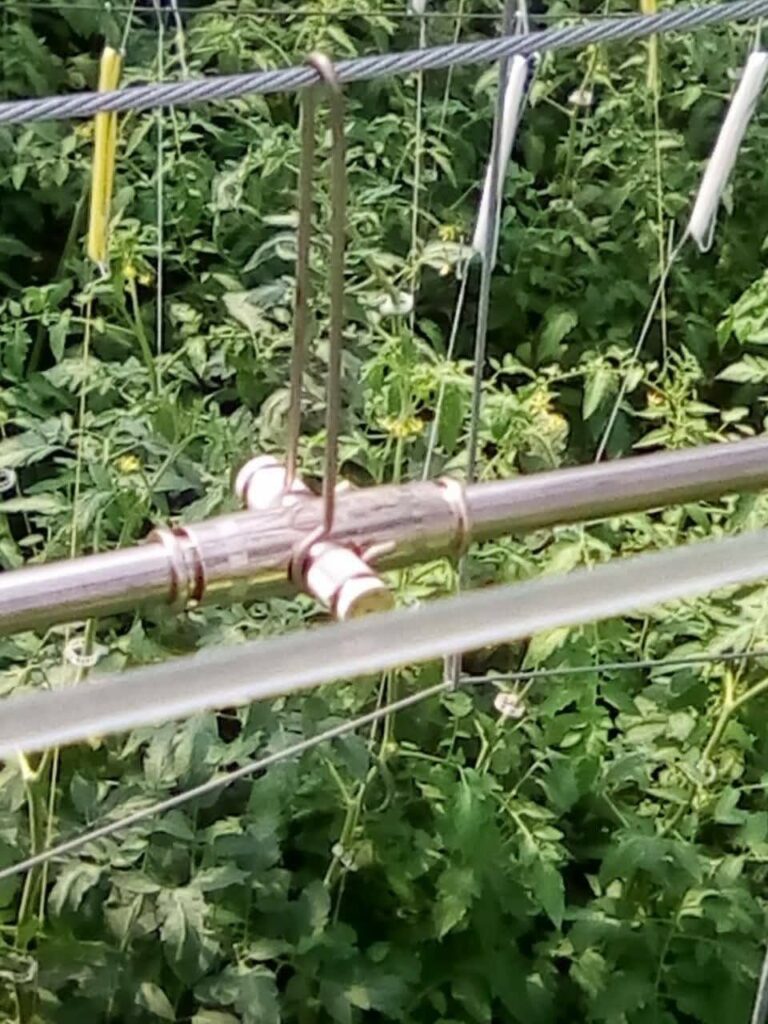
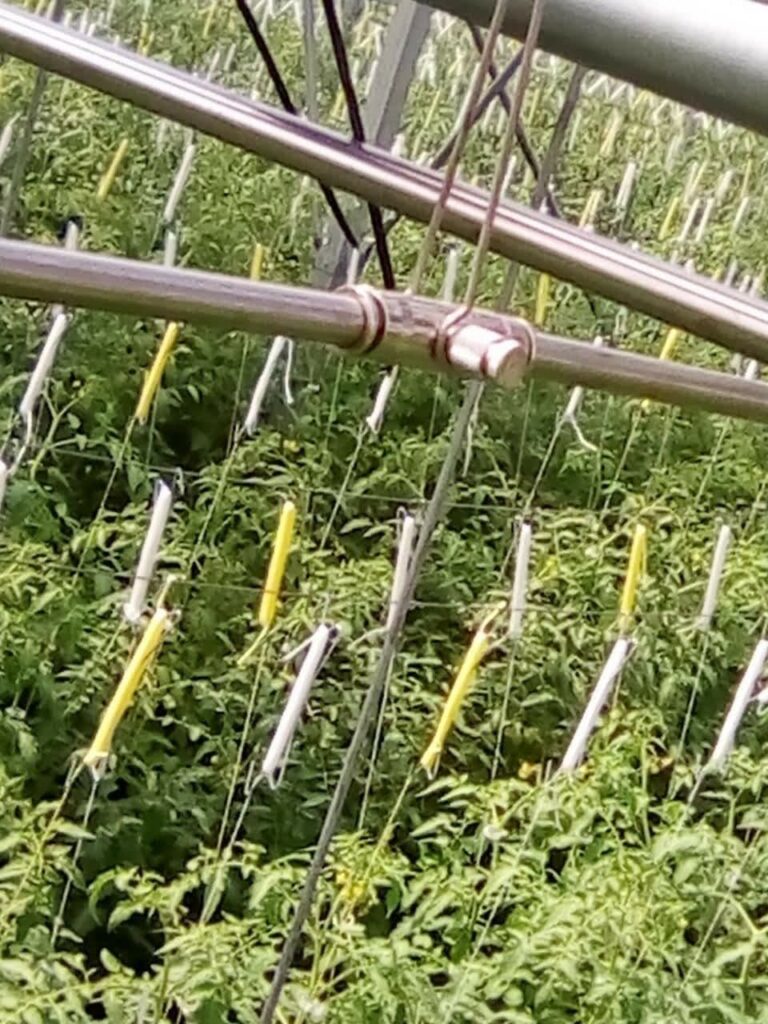
High-pressure humidification systems distribute water in the form of fog to the environment by turning it into micron-sized particles with the help of special pumps and nozzles operating between 60-100 bar. This system
- Reduces temperature with rapid evaporation
- Provides homogeneous moisture distribution
- Prevents disease formation by increasing the ionization of air
High-pressure humidification systems distribute water in the form of fog to the environment by turning it into micron-sized particles with the help of special pumps and nozzles operating between 60-100 bar. This system
- Reduces temperature with rapid evaporation
- Provides homogeneous moisture distribution
- Prevents disease formation by increasing the ionization of air
Automation Integration and Smart Control
When integrated into greenhouse automation software, high-pressure humidification systems automatically switch on and off according to instant climate data. These structures work integrated with CO₂ dosing, temperature sensors and ventilation systems,
- Minimizes operational margin of error
- Eliminates the need for manual intervention
- Optimizes itself according to daily and seasonal humidity curves
Energy Consumption and Economic Gain
High-pressure humidification systems compared to conventional pad-fan systems:
- Energy savings of up to 50%
- Lower maintenance costs
- Provides longer lasting component structure.
The use of these systems, especially in geothermal or GES-supported greenhouses, is fully compatible with sustainable production policies.
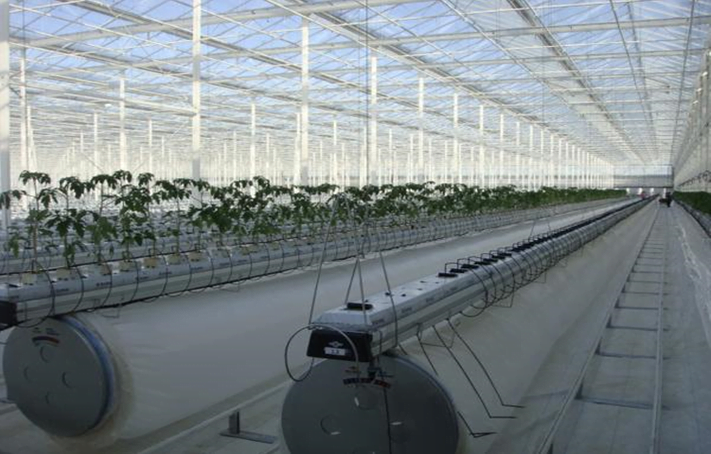
Application Example
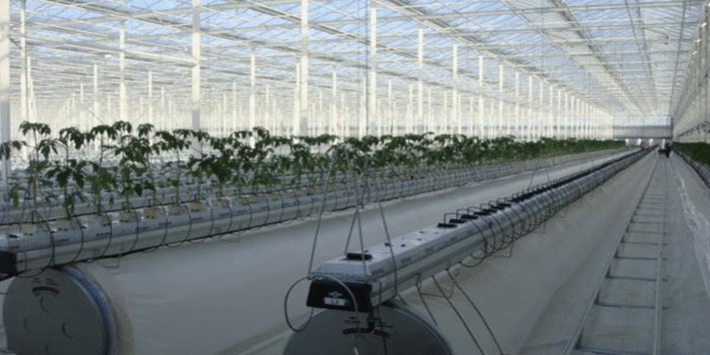
📌 Örnek Proje: 100.800 m² Plastik Domates Serası – Özbekistan
- Kurulan Sistem: 80 bar yüksek basınçlı sisleme + otomasyon entegrasyonu
- Elde Edilen Sonuç: %22 verim artışı, %18 hastalık vakası azalması, %30 enerji tasarrufu
Sonuç
Yüksek basınçlı nemlendirme sistemleri, modern sera işletmeleri için yalnızca bir iklim kontrol aracı değil; aynı zamanda bitki sağlığı, verimlilik ve enerji maliyeti optimizasyonunda stratejik bir yatırımdır. Otomasyon entegrasyonu ile birlikte düşünüldüğünde bu sistemler, hem ekonomik hem de çevresel sürdürülebilirlik hedeflerine hizmet eder. Green Climate olarak, sera iklimlendirme mühendisliğinde bilimsel veriye dayalı çözümler üretmeye ve sektöre öncülük etmeye devam ediyoruz